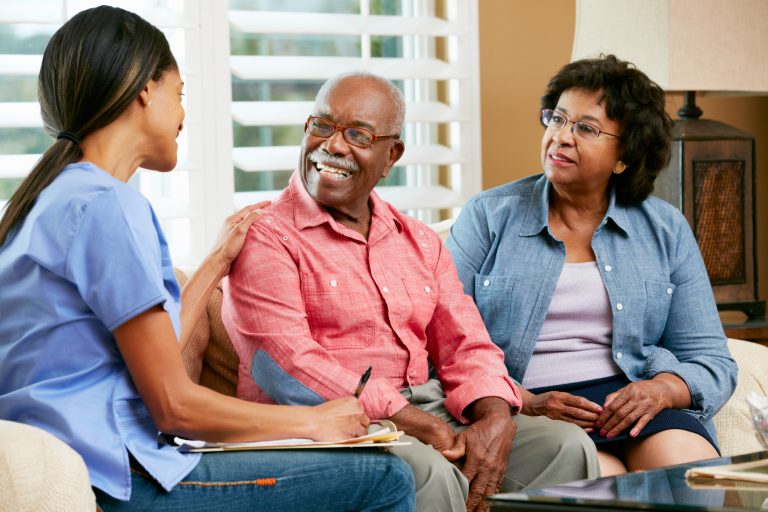
Breast Cancer Awareness and Bone Health Tips for Seniors
October stands out in the health calendar with two major observances that are especially relevant to seniors: Breast Cancer Awareness Month and Bone and Joint Health National Action Week (October 12–20). Both areas—cancer detection and bone health—play pivotal roles in maintaining independence, longevity, and quality of life for older adults.
This in-depth guide explores why these topics matter, practical steps seniors and their families can take for prevention and early detection, and lifestyle changes that support strength, mobility, and overall well-being. At We Care Senior Solutions, we specialize in helping families find the right care options, including identifying the best assisted living facility in Gilbertsville, while equipping older adults and their loved ones with education and resources to stay healthy, proactive, and confident in navigating life’s changes.
The Importance of Breast Cancer Awareness for Seniors
Breast Cancer in Aging Adults
Breast cancer is often perceived as primarily a disease of midlife, yet age is one of the strongest risk factors. According to the National Cancer Institute, most new breast cancer cases are diagnosed in women over 55. While men can also develop breast cancer, women—particularly older women—carry the highest risk.
For seniors, factors such as hormonal changes, long-term lifestyle patterns, family history, and cumulative exposure to risk factors increase susceptibility. Staying informed and proactive about screenings and awareness remains crucial well into older adulthood.
Why Early Detection Matters
Early detection greatly improves survival rates and treatment options. For seniors, it also affects overall well-being—catching cancer earlier may mean less invasive treatment, quicker recovery, and more time focused on enjoying life, rather than enduring extended medical interventions.
Breast Cancer Screening and Prevention for Seniors
Recommended Screenings
- Mammograms: For women 55 and older, health organizations recommend mammograms every 1–2 years, depending on personal and family history. Seniors should discuss individual recommendations with their doctor.
- Clinical Breast Exams: Routine exams by healthcare providers remain effective in identifying concerns.
- Self-Awareness: Seniors should continue to observe changes in breast appearance, shape, or sensation, even if self-examinations are less emphasized than in the past.
Risk Factor Management
Seniors can reduce risk by addressing modifiable factors:
- Maintain a healthy weight through balanced nutrition.
- Stay physically active, with doctor-approved exercise routines.
- Limit alcohol consumption, known to increase risk.
- Avoid smoking, which compounds cancer risk and affects overall health.
Emotional and Practical Support
Beyond screenings, seniors need trusted support systems for encouragement:
- Family members can accompany loved ones to appointments.
- Caregivers can help schedule screenings and provide transportation.
- Community groups and breast cancer awareness activities offer solidarity and shared experiences.
Bone and Joint Health: Why It Matters in October
Bone and Joint Health National Action Week
Observed annually from October 12 to 20, this week is dedicated to raising awareness about musculoskeletal health issues like osteoporosis, arthritis, and fractures that disproportionately affect seniors.
Bone and joint problems can lead to decreased mobility, falls, and long-term disability. Because independence is a core goal for seniors, maintaining strong bones and flexible joints is critical to preserving confidence and safety in everyday life.
Common Concerns for Seniors
- Osteoporosis: A condition where bones become porous and fragile, leading to fracture risks.
- Osteoarthritis: Often referred to as “wear and tear” arthritis, it causes joint pain and stiffness.
- Fall-related injuries: A single fall can drastically alter a senior’s independence due to fractures or complications.
Awareness, prevention, and management strategies can significantly mitigate these risks.
Building Stronger Bones: Prevention and Care for Seniors
Nutrition for Bone Health
Diet plays a significant role in strengthening bones and joints:
- Calcium-rich foods: Dairy products, leafy greens, fortified plant milks.
- Vitamin D: Sunlight exposure, fortified foods, or supplements recommended by a physician.
- Protein intake: Supports bone density and muscle repair.
- Magnesium and Vitamin K: Found in nuts, seeds, and leafy greens, they are crucial for calcium absorption and utilization.
Exercise and Mobility
Regular physical activity promotes strong bones and joint flexibility. Seniors should consider:
- Weight-bearing exercises: Walking, light hiking, or dancing.
- Strength training: Light resistance bands or weights to build muscle that stabilizes joints.
- Balance-focused routines: Yoga, tai chi, or specific balance exercises to prevent falls.
Medical Support and Screenings
- Bone density testing (DEXA scans) for seniors at risk of osteoporosis.
- Regular joint evaluations for symptoms of arthritis or reduced mobility.
- Fall risk assessments in coordination with healthcare providers or senior living communities.
Managing Arthritis and Joint Pain
Arthritis is one of the most common joint issues among older adults, impacting daily activities. Managing it effectively involves:
- Anti-inflammatory diets rich in omega-3s, lean proteins, and phytochemicals.
- Heat and cold therapy for pain management.
- Mobility aids such as canes or walking poles for stability.
- Medication and medical interventions, when recommended, to control inflammation and maintain quality of life.
Overlapping Wellness Strategies for Breast Cancer and Bone Health
Although breast cancer and bone health may seem like separate issues, many prevention and wellness strategies overlap for seniors:
- Physical activity improves both bone strength and reduces cancer risk.
- Healthy weight management supports both skeletal health and cancer prevention.
- Nutrient-rich diets (calcium, vitamin D, fiber, and reduced processed foods) aid in mitigating risks for both conditions.
- Stress management through mindfulness, community engagement, and hobbies has holistic health benefits.
Lifestyle Tips for Seniors: Building Strength and Independence
Practical adjustments in daily routines can significantly improve health outcomes for seniors:
Fall-Proofing the Environment
- Install grab bars in bathrooms.
- Improve lighting in hallways and staircases.
- Remove trip hazards like loose rugs or overextended cords.
Prioritizing Consistent Sleep
Quality sleep supports both immune function and bone recovery. Seniors should keep a steady sleep routine aligned with natural circadian rhythms.
Engaging Socially
Loneliness and isolation can indirectly worsen breast cancer outcomes and increase fall risks. Social groups, exercise classes, or senior centers contribute to both mental well-being and physical health.
Hydration and Balanced Meals
Dehydration can lead to poor joint function and systemic stress. Seniors should maintain regular water intake alongside nutrient-rich meals.
The Role of Family and Caregivers
Family involvement is central in health management for seniors. Their role includes:
- Encouraging screenings and helping track schedules.
- Supporting seniors in meal planning and grocery shopping for bone-friendly foods.
- Participating in light exercise routines together, reinforcing wellness as a shared goal.
- Offering transportation to awareness events, medical appointments, or exercise classes.
Caregivers also play a proactive role in monitoring health changes, encouraging medication adherence, and providing companionship that improves outlook.
Community Resources for Seniors in October
Many community organizations host October events aligned with these observances:
- Breast Cancer Awareness Walks or Fundraisers where seniors can participate at comfortable activity levels.
- Health screenings are often offered at community centers or medical fairs during Awareness Month events.
- Senior wellness programs that integrate bone health education, including fall prevention workshops.
By joining these events, seniors remain connected, motivated, and informed, while also benefiting from shared experiences within their communities.
Supporting Seniors Through We Care Senior Solutions
At We Care Senior Solutions, we provide personalized approaches to senior wellness, ensuring older adults and families have the resources, guidance, and advocacy needed to thrive. Our services emphasize:
- Care coordination focused on preventative health and well-being.
- Connections to trusted healthcare professionals for screening and management of breast cancer and bone health.
- Guidance in adopting lifestyle modifications that promote strength, independence, and dignity throughout the aging process.
We understand that awareness is only the first step—implementation of supportive care is what truly makes health goals a reality for seniors.
Final Reflections
October’s dual focus on Breast Cancer Awareness Month and Bone and Joint Health National Action Week reminds us of the importance of preventive care and proactive living, especially for seniors striving to maintain independence and quality of life.
By fostering early detection habits, embracing lifestyle adjustments, and encouraging strong family and community support systems, we can dramatically reduce the risks of breast cancer and bone-related issues. Seniors who feel empowered with knowledge and supported through compassionate care can continue to lead fulfilling, healthy lives well into their golden years.
The message of October is clear: awareness, prevention, and proactive care transform not only individual lives but entire families and communities. By uniting efforts, we can ensure that every senior enjoys both strength and resilience in the seasons ahead.