
Incorporating Chair-Based Exercises into Your Daily Routine
Staying physically active is essential for people of all ages, but it’s especially important for seniors. As we grow older, maintaining strength, flexibility, and balance can help preserve independence, boost mood, and improve overall quality of life. For many older adults, however, mobility limitations, chronic pain, or fear of falling can make traditional exercise routines feel out of reach. That’s where chair-based exercises come in—a safe, effective, and accessible way to stay active, no matter your mobility level.
The Power of Chair-Based Exercise
Chair-based exercise isn’t just a fallback option for those who can’t stand or walk for long periods—it’s a proven method for building strength, increasing flexibility, and supporting cardiovascular health. Even gentle, seated movements can help keep joints limber, muscles toned, and the heart healthy. Just as importantly, these exercises can be adapted to suit individual needs, making them ideal for seniors with arthritis, balance issues, or those recovering from illness or surgery.
The benefits go beyond the physical. Regular movement—no matter how modest—can lift your spirits, sharpen your mind, and provide a sense of accomplishment. For many seniors, chair-based routines also offer a chance to socialize, whether in group classes or with a workout buddy at home.
Getting Started: Setting Up for Success
Before you begin, it’s wise to check with your doctor, especially if you have any chronic health conditions or recent injuries. Once you’re cleared to start, all you need is a sturdy, armless chair placed on a flat, non-slip surface. Comfortable clothing and supportive shoes will help you move freely and safely. Keep a bottle of water nearby and remember: the goal is to feel good, not to push through pain. Listen to your body, and stop if you feel dizzy, short of breath, or uncomfortable.
Warming up is an important first step. Simple movements like gently rolling your shoulders, lifting your knees, or rotating your wrists can help get your blood flowing and prepare your muscles for more activity. This only takes a few minutes but can make a big difference in how you feel during and after your session.
Building Strength and Flexibility—One Move at a Time
Chair-based exercises can target every major muscle group, from your legs and hips to your back, arms, and core. You might start by sitting tall and lifting one knee at a time, mimicking a gentle march. This movement not only wakes up your hip flexors but also engages your abdominal muscles and gets your heart pumping. Over time, you can increase the duration or add light arm movements for an extra challenge.
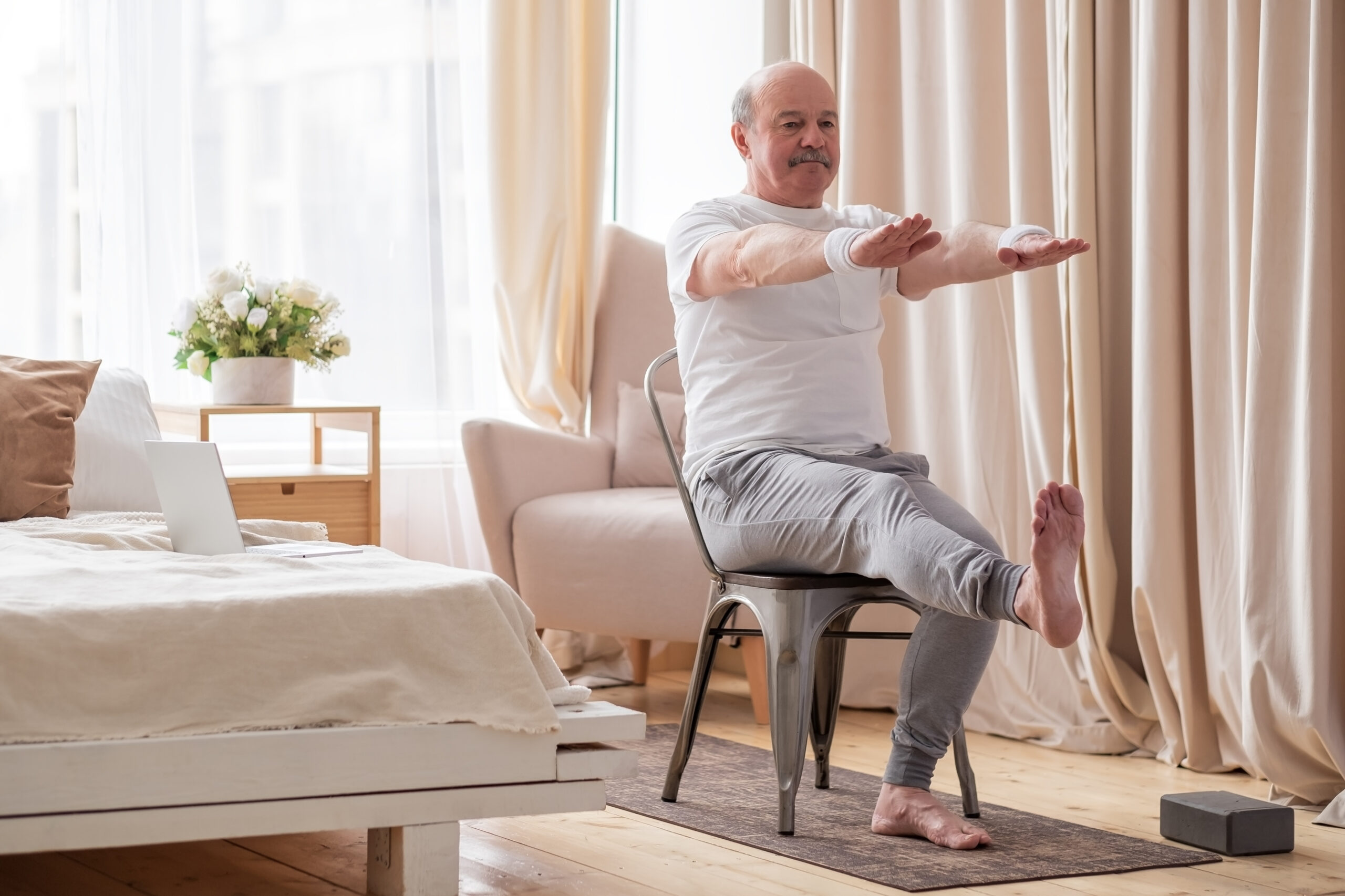
Another effective exercise involves extending one leg out in front of you, holding it for a moment, then lowering it back down. This helps strengthen your quadriceps—the muscles at the front of your thigh, which are essential for standing up and walking. If you’re feeling strong, you can add ankle weights or simply increase the number of repetitions.
Upper body strength is just as important for daily living. Holding a pair of light hand weights (or even water bottles), you can perform gentle biceps curls or overhead presses while seated. These movements help maintain the strength needed for carrying groceries, reaching for items on shelves, or supporting yourself as you move from sitting to standing.
Flexibility is often overlooked but is crucial for preventing stiffness and maintaining range of motion. After your strength exercises, take a few moments to stretch. Reach one arm across your chest and gently pull it closer with your other hand to stretch your shoulder. Extend your legs and lean forward slightly to stretch your hamstrings. Breathe deeply and move slowly, holding each stretch for a few seconds.
Making Chair-Based Exercise a Habit
Consistency is the key to seeing results. The beauty of chair-based exercises is that they can be done almost anywhere—while watching TV, listening to music, or chatting with a friend. Aim to set aside a regular time each day, even if it’s just ten or fifteen minutes at first. As you build strength and confidence, you may find yourself looking forward to these moments of movement.
Staying motivated can be a challenge, especially if you’re exercising alone. One way to keep things interesting is to vary your routine. Try different movements, use resistance bands or light weights, or follow along with an online video. Many senior centers and community organizations also offer virtual or in-person chair exercise classes, providing both guidance and social interaction.
Celebrating small victories is important. Maybe you notice it’s easier to stand up from your chair, or you feel less stiff in the mornings. These are signs that your efforts are paying off. Share your progress with family or friends—they’ll be proud of you, and their encouragement can help keep you going.
Addressing Common Concerns
It’s natural to have questions or concerns about starting a new exercise routine, especially if you haven’t been active for a while. Some seniors worry that they’re too old, too frail, or that exercise might cause injury. In reality, chair-based routines are designed to be gentle and low-impact, making them one of the safest ways to stay active. The key is to start slowly, listen to your body, and adapt movements as needed.
If you experience joint pain or arthritis, chair exercises can actually help reduce discomfort by keeping your joints lubricated and your muscles strong. If you’re recovering from surgery or illness, these movements can aid in your rehabilitation and help you regain independence. And remember, it’s never too late to start. Seniors in their 80s and 90s have seen remarkable improvements in strength, balance, and confidence through regular chair-based activity.
A Sample Chair-Based Exercise Routine
To help you get started, here’s a simple routine you can try at home. Begin with a few minutes of gentle warm-up, then move through each exercise at your own pace. Remember to breathe, sit tall, and enjoy the process.
Start by sitting comfortably with your feet flat on the floor. Begin with a gentle march, lifting one knee and then the other, swinging your arms if you feel steady. After a minute or two, move on to leg extensions—straighten one leg and hold, then switch sides. Next, try some seated biceps curls, lifting light weights or water bottles toward your shoulders. Follow this with overhead presses, reaching your arms up and lowering them back down.
To engage your core and improve flexibility, gently twist your upper body to one side, hold for a moment, then return to center and repeat on the other side. Finish with some gentle stretches—reaching for your toes, stretching your arms overhead, and rolling your shoulders.
End your session with a few minutes of deep, relaxed breathing. Sit back, close your eyes if you like, and focus on the feeling of energy and accomplishment that comes from moving your body.
The Social and Emotional Benefits
Chair-based exercise isn’t just about physical health. It’s also a wonderful way to connect with others and boost your mood. Many seniors find that joining a group class, even virtually, adds a sense of camaraderie and fun to their routine. Sharing your progress with a friend or family member can also provide motivation and accountability.
Physical activity, even in small doses, releases endorphins—chemicals in the brain that help reduce stress and promote a sense of well-being. Regular movement can also improve sleep, sharpen your mind, and help you feel more confident in your daily activities.
Making Chair-Based Exercise Part of Your Life
Incorporating chair-based exercises into your daily routine doesn’t require a gym membership, expensive equipment, or a lot of time. All it takes is a willingness to start, a comfortable chair, and a commitment to caring for your body. Over time, you’ll likely notice improvements in your strength, flexibility, and overall vitality.
Final Thoughts
Chair-based exercises offer a practical, enjoyable, and effective way for seniors with limited mobility to stay active and independent. By making movement a regular part of your day, you’re investing in your own well-being, one gentle step at a time. Remember, it’s never too late to start, and every bit of movement counts.
If you’re ready to begin your chair-based exercise journey, reach out to us at We Care Senior Solutions. Whether you’re exploring options for an assisted living facility in Hatboro or simply looking to stay active, we’re here to support you. Let’s work together to make every day a little healthier, happier, and more active—no matter where you are on your path.
Always consult with your healthcare provider before starting any new exercise program. The information in this blog is for educational purposes and should not replace medical advice.
